
将视频转换为结构化笔记
✨ AI 完美提取硬字幕 —— 无遗漏、零错字。1 小时视频 20 分钟转为 Markdown ⚡
支持格式:MP4、MKV、AVI、MOV、WEBM。上限:2小时 / 2GB
核心功能
用视觉 AI 提取硬字幕
从视频中精准还原硬字幕,不被背景杂乱内容干扰。零错字、零漏行,提取出的文本与屏幕所见完全一致,让您告别痛苦的手动校对。
像文章一样好读的转写稿
VidFoil AI 会将视频转成清晰易读的转写稿:标点准确、句子完整、段落清晰,打开即可顺畅阅读。
一键将视频转成 Markdown 笔记
生成包含摘要、标题和大纲的结构化笔记,可直接用于 Obsidian、Notion 或任何个人知识库。
看看效果
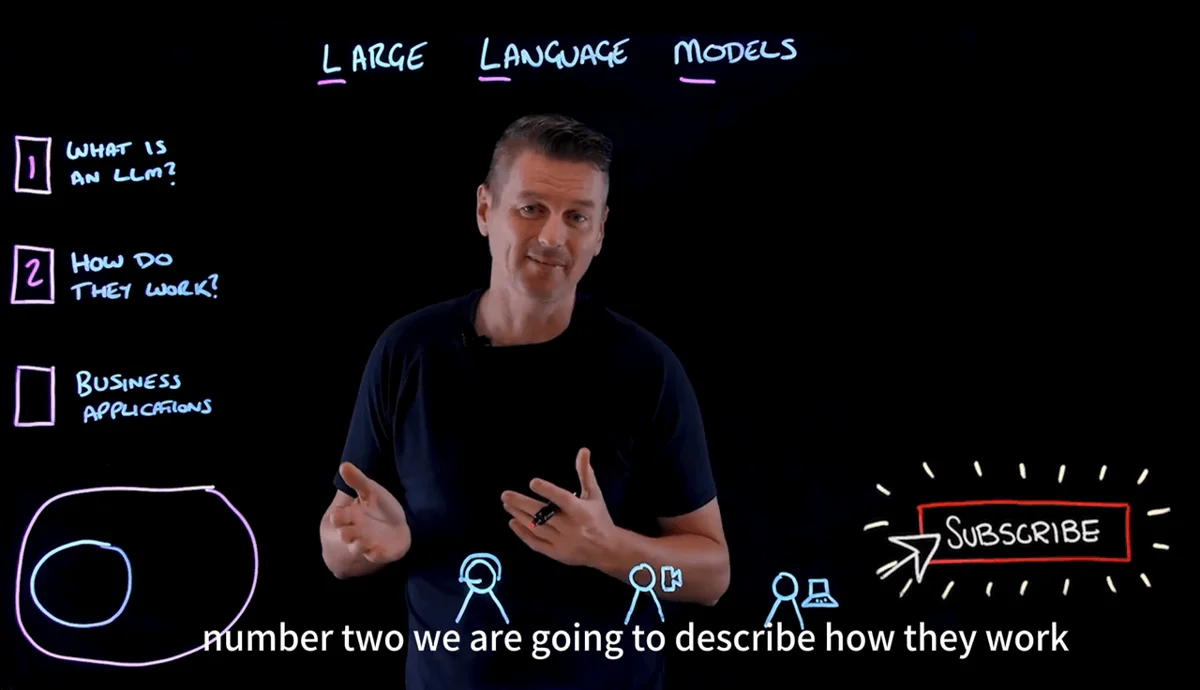
原始视频帧(硬字幕)
VidFoil 输出(结构化 Markdown)
VidFoil 适合谁?
字幕翻译者
精确提取硬字幕原文,翻译底稿一步到位。
内容创作者
快速提取优质视频文案,加速二次创作。
外语学习者
精准提取外语逐字稿,反复精读学习,绝不漏掉一句话。
学生党
网课自动变笔记,考前复习快 10 倍。
知识管理者
视频知识一键完全入库 Obsidian/Notion,一字不差。
专业研究员
完整转录讲座视频,长难句子、专业术语零错误。
为什么选择 VidFoil?
| VidFoil | 语音转写工具 | 传统 OCR | 手动记笔记 | |
|---|---|---|---|---|
| 硬字幕精准识别 | ||||
| 零遗漏帧 | ||||
| 背景文字过滤 | ||||
| 专业术语准确性 | ||||
| 结构化 Markdown | ||||
| 处理速度 | 约20分钟 / 1小时视频 | 速度快易错字,长视频错误率高 | 慢 | ~4小时 / 1小时视频 |
VidFoil 真的免费吗?
是的,免费版费用为 0 美元,也不需要信用卡。但它不是无限额度:匿名试用用户登录前可使用 50 积分,注册免费用户每月可获得 300 积分,总计约 30 分钟视频处理时长。
有文件大小或时长限制吗?
注册免费用户:单视频最长 30 分钟(每月 300 积分,约 30 分钟)。匿名试用用户登录前可使用 50 积分。付费套餐用户:单视频支持长达 2 小时 / 2GB。
我的数据如何被使用和保护?
您的隐私是我们的首要任务。视频在安全的服务器上处理,转换后 24 小时内自动删除。我们不会查看、分享或使用您的内容训练模型。
什么是硬字幕识别?
硬字幕是嵌入在视频画面的一部分,普通工具很难提取。VidFoil 使用新一代 AI 技术深刻理解并提取这些文字,确保您获得的文案与屏幕上看到的内容完全一致。
积分是如何计算的?
10 积分 ≈ 1 分钟视频处理时长。注册免费用户每月包含 300 积分(约 30 分钟);匿名试用用户登录前可使用 50 积分。标准版每月包含 8,400 积分(约 840 分钟),专业版每月包含 18,000 积分(约 1800 分钟)。YouTube 软字幕视频享 30% 积分优惠,按基础积分的 70% 收取。积分按月重置。
VidFoil 支持 YouTube 吗?
支持。粘贴 YouTube 链接即可。如果视频自带软字幕,处理速度更快,积分消耗也更低。由于该能力依赖第三方技术与上游策略,偶尔可能出现不稳定。我们会持续优化并尽力保持可用,但无法承诺始终可用。
所有类型的视频字幕都能完美转换吗?
对于标准静态字幕(如 YouTube 自动字幕、影视剧字幕等),VidFoil 能提供高精度的转换。但以下类型的特效字幕可能影响识别效果:单词逐个高亮显示、字幕在画面中频繁变换位置、带有复杂动画或特效的字幕。如果您的视频包含上述特效字幕,建议先用免费额度测试效果。我们承诺的「绝无遗漏」指的是 AI 持续读取视频画面,而非固定间隔采样截图,因此不会跳过或忽略任何一帧字幕。
免费版、标准版和专业版的 AI 一样吗?
是的,完全一样。免费版、标准版和专业版使用同样高精度的 AI 引擎。区别在于每月额度、处理优先级和付费权益。
没有字幕的视频能处理吗?
可以。如果视频没有可见字幕,VidFoil 会自动转为语音识别模式提取内容。但请注意,语音识别可能出现错别字或断句不准,效果无法与硬字幕识别相媲美。VidFoil 在处理带有可见字幕的视频时效果最佳。
视频中的 PPT、代码或公式能识别吗?
当前版本专注于提取视频中的字幕文本。画面中的图表、手写公式等视觉元素暂不会被单独提取为文字——对于这类信息,截图通常比文本提取更有价值。我们计划在未来版本中支持带有关键帧截图的文档输出,让您不遗漏任何视觉信息。
输出的 Markdown 文档包括哪些内容?
输出文档包含:内容摘要、自动生成的章节标题、完整的字幕文本(关键词自动加粗)。格式为标准 Markdown,可直接导入 Obsidian、Notion 或任何支持 Markdown 的笔记工具。
处理失败会扣积分吗?
如果是由于视频格式或系统内部问题导致的失败,不会扣除积分。如果 AI 引擎已开始处理(消耗已产生),则会正常扣除积分。处理失败的视频可以重新提交尝试,您也可以通过反馈邮件联系我们获取帮助。
支持哪些语言?效果都一样好吗?
VidFoil 支持 50+ 种语言。其中英语、中文、日语、韩语、法语、德语、西班牙语等主流语言效果最佳。其他语言均可识别,但精准度可能因字体和画面复杂度有所差异,建议先上免费额度测试。